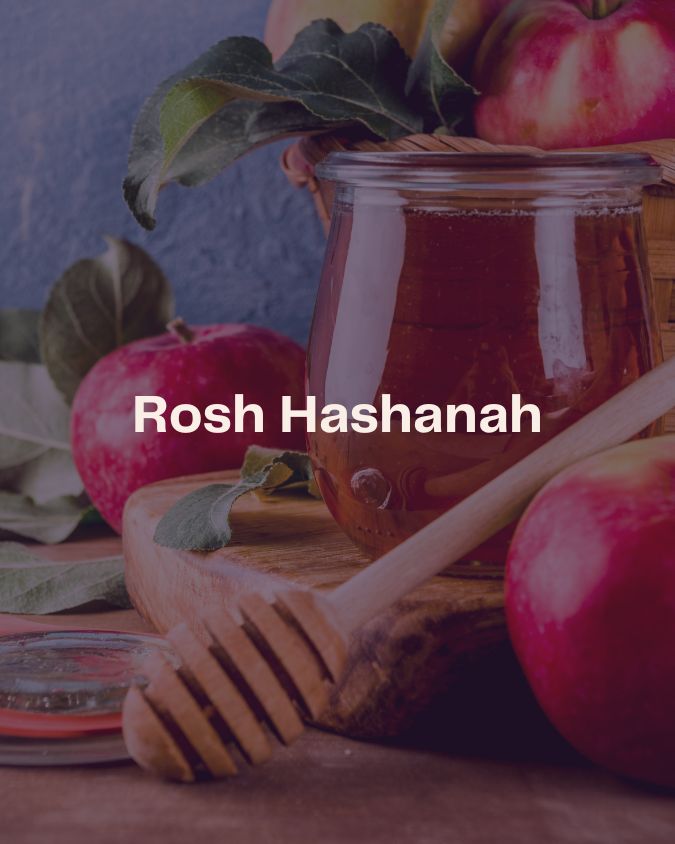
Rosh Hashanah 2026 begins at sundown on Friday, September 11, 2026, and ends at nightfall on Sunday, September 13, 2026, marking the start of Hebrew Year 5787. It is a two-day observance beginning on 1 Tishrei, ten days before Yom Kippur.
The two-day observance opens the Jewish High Holy Days, a ten-day period of reflection that culminates in Yom Kippur.
This guide covers exact dates and times, the holiday’s meaning and biblical origin, core rituals (shofar, Tashlich, candle lighting), symbolic foods, greeting etiquette, workplace and school closures, and a full FAQ section addressing the most common search questions about the 2026 observance.
Table of Contents
When Is Rosh Hashanah 2026? Dates, Start Time & Duration
Rosh Hashanah 2026 starts at sundown on Friday, September 11, 2026, and concludes at nightfall on Sunday, September 13, 2026. It falls on 1–2 Tishrei, 5787 on the Hebrew calendar.
Because Jewish holidays begin at sunset the evening before the civil date, the first festive meal takes place Friday evening, and the two full observance days are Saturday, September 12, 2026, and Sunday, September 13, 2026.
Rosh Hashanah 2026 Start and End Date
Rosh Hashanah 2026 begins at sundown on Friday, September 11, 2026, and ends at nightfall on Sunday, September 13, 2026.
Because the holiday’s daytime portion of 1 Tishrei falls on Saturday, September 12, 2026, this year’s observance overlaps directly with Shabbat, a coincidence that affects synagogue liturgy (the shofar is not sounded when the first day of Rosh Hashanah falls on Shabbat, since blowing a musical instrument is restricted on the Sabbath).
How Long Does Rosh Hashanah Last?
Rosh Hashanah lasts two full days in nearly all denominations and locations, including Israel, unlike most Jewish holidays that are observed for one day inside Israel and two days in the diaspora.
This two-day structure exists because the biblical new moon that marks the start of Tishrei was historically difficult to confirm in real time, so both possible days were observed as a single extended holiday — a practice retained even after the Hebrew calendar became a fixed mathematical calculation.
In 2026, the two observance days are Saturday, September 12 and Sunday, September 13.
Rosh Hashanah Dates 2024–2030
The table below lists the Gregorian and Hebrew calendar dates for Rosh Hashanah across seven years, sourced from Hebcal and Wikipedia’s Hebrew calendar data.
| Year | Begins (sundown) | Ends (nightfall) | Hebrew Year |
|---|---|---|---|
| 2024 | Wednesday, October 2, 2024 | Friday, October 4, 2024 | 5785 |
| 2025 | Sunset, September 22, 2025 | Wednesday, September 24, 2025 | 5786 |
| 2026 | Friday, September 11, 2026 | Sunday, September 13, 2026 | 5787 |
| 2027 | Friday, October 1, 2027 | Sunday, October 3, 2027 | 5788 |
| 2028 | Wednesday, September 20, 2028 | Friday, September 22, 2028 | 5789 |
| 2029 | Sunday, September 9, 2029 | Tuesday, September 11, 2029 | 5790 |
| 2030 | Friday, September 27, 2030 | Sunday, September 29, 2030 | 5791 |
The date range spans September 9 to October 4 across these seven years, reflecting the roughly 19-year cycle of the Hebrew calendar’s leap-month system.
Why the Date Changes Every Year — The Hebrew Calendar Explained
The Gregorian date for Rosh Hashanah shifts annually because the Hebrew calendar is lunisolar, not solar. Each Hebrew month follows a roughly 29.5-day lunar cycle, and a 13th leap month (Adar I) is inserted in 7 of every 19 years to keep Tishrei anchored to early autumn.
Without this correction, the holidays would drift through all four seasons over time, similar to how the purely lunar Islamic calendar shifts roughly 11 days earlier each Gregorian year.
The “Lo ADU Rosh” Rule
Rosh Hashanah’s Hebrew date (1 Tishrei) never falls on a Sunday, Wednesday, or Friday. This constraint — known in Hebrew as lo ADU Rosh (“Rosh [Hashanah is] not on Aleph, Daled, or Vav,” referring to the Hebrew letters marking those days) — exists to prevent Yom Kippur from landing adjacent to the Sabbath and to keep the seventh day of Sukkot (Hoshana Rabbah) from falling on a Saturday.
As a result, 1 Tishrei can only occur on a Monday, Tuesday, Thursday, or Saturday — which is why, in 2026, the sundown start (Friday, September 11) precedes a Saturday, September 12 calendar date for 1 Tishrei itself.
What Is Rosh Hashanah? Meaning, Origin & Significance
Rosh Hashanah is the Jewish New Year, observed on the first two days of Tishrei, the seventh month of the Hebrew religious calendar and the first month of the Hebrew civil calendar.
The name translates literally from Hebrew as “head of the year.” The holiday marks the traditional anniversary of the creation of humanity and functions as the opening day of a period of self-examination and divine judgment that Jewish tradition calls the Days of Awe.
What Does “Rosh Hashanah” Mean?
“Rosh Hashanah” (ראש השנה) translates as “head of the year,” using the Hebrew word rosh (head) rather than techilah (beginning) — a linguistic choice that reflects the holiday’s function as the “head” that sets the tone and judgment for the months following it, similar to how the head directs the body.
The holiday is also referred to by three other traditional names: Yom Teruah (Day of Sounding/Shofar Blasts), Yom HaZikkaron (Day of Remembrance), and Yom HaDin (Day of Judgment).
Rosh Hashanah in the Bible: Yom Teruah
The Torah does not use the name “Rosh Hashanah” for this holiday; it identifies the day as Yom Teruah, a day marked by the sounding of a ram’s horn.
Leviticus 23:23–25 and Numbers 29:1
Leviticus 23:23–25 instructs that the first day of the seventh month be observed as a sacred assembly commemorated with loud blasts, and Numbers 29:1 repeats the instruction, describing the day as one of holy convocation on which no ordinary work is to be performed.
Neither passage names the holiday “Rosh Hashanah” or specifies its connection to a calendar new year; that association developed later in rabbinic literature, particularly the Mishnah (tractate Rosh Hashanah), which formalized the day as one of four distinct “new years” in the Jewish legal calendar — the new year for kings and festivals, agricultural tithing, animal tithing, and trees (Tu B’Shevat).
Is Rosh Hashanah the Same as the Jewish New Year?
Yes, Rosh Hashanah is the primary Jewish New Year for civil and calendar purposes, though it is not the only “new year” recognized in Jewish law. The Mishnah lists four separate new-year dates for different legal purposes (kings/festivals, tithing of animals, tithing of grain, and trees), but Rosh Hashanah — 1 Tishrei — is the one that increments the numbered Hebrew year (from 5786 to 5787 in 2026) and is universally understood as “the Jewish New Year” in everyday usage.
Why Rosh Hashanah Is Important
Rosh Hashanah functions simultaneously as a celebration and a solemn day of judgment, distinguishing it from most secular New Year observances.
Jewish tradition holds that on this day, God reviews each person’s deeds from the past year and inscribes a provisional judgment in the “Book of Life,” a decision considered sealed on Yom Kippur ten days later.
This dual character — festive meals and greetings alongside introspection and repentance (teshuvah) — shapes nearly every ritual associated with the holiday, from the sweet symbolic foods eaten at the table to the solemn liturgical poem Unetaneh Tokef recited in synagogue.
How Rosh Hashanah 2026 Connects to Yom Kippur and Sukkot
Rosh Hashanah 2026 opens a sequence of Jewish autumn holidays that runs continuously from September 11 through October 4, 2026. Rosh Hashanah begins the Ten Days of Repentance, which conclude with Yom Kippur, and is followed roughly two weeks later by the seven-day festival of Sukkot.
The Ten Days of Repentance (Days of Awe)
The period between Rosh Hashanah and Yom Kippur — known as the Yamim Nora’im (Days of Awe) or the Ten Days of Repentance — is devoted to self-examination, seeking forgiveness from others, and charitable acts.
In 2026, this period runs from Friday, September 11 through Monday, September 21. Jewish tradition holds that the judgment tentatively recorded on Rosh Hashanah becomes final on Yom Kippur, making the intervening days a last opportunity to alter that outcome through repentance, prayer, and charity — a formula summarized in the liturgical phrase “teshuvah, tefillah, u’tzedakah.”
2026 High Holiday Calendar at a Glance
| Holiday | 2026 Dates (sundown to nightfall) | Hebrew Dates | Duration |
|---|---|---|---|
| Rosh Hashanah | Friday, September 11 – Sunday, September 13 | 1–2 Tishrei | 2 days |
| Yom Kippur | Sunday, September 20 – Monday, September 21 | 10 Tishrei | 1 day |
| Sukkot | Friday, September 25 – Friday, October 2 | 15–21 Tishrei | 7 days |
| Shemini Atzeret / Simchat Torah | Friday, October 2 – Sunday, October 4 (diaspora) | 22–23 Tishrei | 2 days (diaspora) |
Yom Kippur falls exactly nine days after Rosh Hashanah begins, and Sukkot follows two weeks after Rosh Hashanah’s start date — a sequence that repeats every year regardless of which Gregorian dates the holidays land on.
5787 vs. 5786 — Which Hebrew Year Is It?
The Hebrew year is 5786 from Rosh Hashanah 2025 (which began September 22, 2025) until Rosh Hashanah 2026 begins; it becomes 5787 at sundown on Friday, September 11, 2026, and remains 5787 until Rosh Hashanah 2027.
As of August 11, 2026, the Hebrew date is still Av 28, 5786, since the year does not advance until 1 Tishrei arrives. This transition point is a frequent source of confusion in search queries, because content published before September 11, 2026 correctly refers to the incoming year as 5787, while content referring to the current year at the time of publication (before the holiday) should still say 5786.
How Is Rosh Hashanah Celebrated? Traditions and Rituals
Rosh Hashanah is observed primarily through synagogue prayer services, the sounding of the shofar, a ceremony called Tashlich, festive meals featuring symbolic foods, and candle lighting on both nights of the holiday. Practices vary somewhat by denomination and community, but these five elements form the core of nearly all observance.
Blowing the Shofar
The shofar, a hollowed ram’s horn, is sounded during Rosh Hashanah morning services as the central mitzvah (commandment) of the holiday, fulfilling the biblical instruction in Leviticus 23:24 to mark the day with loud blasts. A total of 100 shofar blasts are traditionally sounded across the service in most Ashkenazi communities.
When the first day of Rosh Hashanah falls on Shabbat — as it does in 2026, with 1 Tishrei landing on Saturday, September 12 — the shofar is not blown on that day, per rabbinic restrictions on playing musical instruments during Shabbat; it is sounded only on the second day, Sunday, September 13, 2026.
What the Three Shofar Sounds Mean (Tekiah, Shevarim, Teruah)
The shofar produces three distinct sound patterns, each carrying separate symbolic weight:
- Tekiah — a single, long unbroken blast, representing coronation and the proclamation of God as sovereign.
- Shevarim — three medium, broken blasts, evoking a sighing or sobbing sound associated with repentance.
- Teruah — a rapid series of at least nine short staccato blasts, resembling an alarm or a cry, associated with awakening spiritual awareness.
These three patterns are combined into set sequences (such as Tekiah-Shevarim-Teruah-Tekiah) and repeated multiple times during the service, following a structure codified in the Talmud.
Tashlich — Casting Away Sins at the Water
Tashlich is a ceremony, typically performed on the afternoon of the first day of Rosh Hashanah, in which participants walk to a body of flowing water — a river, lake, or ocean — and symbolically cast breadcrumbs or small stones into it while reciting verses from the Book of Micah.
The practice represents the figurative casting off of the past year’s sins. Because the first day of Rosh Hashanah 2026 falls on Shabbat (Saturday, September 12), many communities that avoid carrying items on Shabbat move Tashlich to the second day, Sunday, September 13, 2026, or perform it without bread.
Candle Lighting and Synagogue Services
Candles are lit before sundown on both nights of Rosh Hashanah — Friday, September 11 and Saturday, September 12, 2026 — accompanied by a blessing (Kiddush) over wine and, in many households, the Shehecheyanu blessing thanking God for reaching the occasion.
Synagogue services on Rosh Hashanah morning are typically longer than a standard Shabbat service, incorporating the shofar sounding, an expanded Torah reading (Genesis 21 on day one and Genesis 22, the Binding of Isaac, on day two), and additional liturgical poems specific to the holiday, all recited from a special prayer book called a machzor.
Key Prayers: Unetaneh Tokef & Avinu Malkeinu
Unetaneh Tokef is a liturgical poem recited during the Rosh Hashanah and Yom Kippur services describing the day of judgment in vivid terms, including the well-known line about who will live and who will die in the coming year.
Avinu Malkeinu (“Our Father, Our King”) is a responsive prayer recited on both Rosh Hashanah and Yom Kippur (except when the day falls on Shabbat, when it is typically omitted, as in the first day of 2026), in which the congregation repeats the refrain while requesting forgiveness, healing, and a good year.
One Day or Two? Reform, Conservative & Orthodox Differences
Observance length and specific practices vary by denomination. The table below summarizes the main differences.
| Practice | Orthodox | Conservative | Reform |
|---|---|---|---|
| Days observed | 2 days, everywhere | 2 days, typically | 1 or 2 days, congregation-dependent |
| Shofar on Shabbat (as in 2026) | Not sounded | Not sounded | Varies by congregation |
| Tashlich | Widely practiced | Widely practiced | Practiced, sometimes symbolically adapted |
| Prayer book | Traditional machzor, full Hebrew liturgy | Traditional machzor, often with added English | Reform-specific machzor, expanded English and abridged Hebrew |
| Mixed seating | Typically separated (men/women) | Mixed seating standard | Mixed seating standard |
This is not an exhaustive denominational breakdown — Reconstructionist, Renewal, and independent minyan communities each have their own variations, and individual congregations within any movement may deviate from the general pattern described above.
Rosh Hashanah Food: Symbolic Dishes, Recipes & Menu Ideas
Rosh Hashanah meals center on simanim, symbolic foods eaten specifically for the omens their names or qualities represent, most commonly a wish for a sweet, abundant, and fruitful new year.
The custom of eating symbolic foods on Rosh Hashanah traces back to the Talmud (Horayot 12a), which records the practice of eating foods whose Hebrew or Aramaic names suggest positive omens.
Simanim — Symbolic Foods and Their Meaning
Rosh Hashanah tables typically include the following symbolic items, each carrying its own explanation:
- Apples dipped in honey — eaten to symbolize hope for a sweet new year, usually accompanied by a blessing.
- Round challah — braided into a circular shape rather than the usual oblong loaf, symbolizing the cyclical nature of the year or, in some interpretations, a crown.
- Pomegranate — eaten in reference to a tradition that the fruit contains 613 seeds, corresponding to the 613 commandments in the Torah (a figure that does not always hold literally but retains symbolic significance).
- Fish head — placed on the table to fulfill the wish to be “a head and not a tail” in the coming year, reflecting the meaning of “Rosh” (head) in the holiday’s name.
- Tzimmes — a sweet stewed carrot dish, its Yiddish name evoking the idea of things going well.
- Honey cake — a moist spice cake served for dessert, continuing the sweetness theme through the meal’s conclusion.
Ashkenazi vs. Sephardic Simanim Traditions
Sephardic communities generally observe a more extensive ritual than the apple-and-honey custom common in Ashkenazi households, known as the Yehi Ratzon or simanim seder, in which a sequence of specific foods is eaten in order, each paired with a short blessing that plays on the food’s Hebrew or Aramaic name.
| Food | Ashkenazi Custom | Sephardic Simanim Seder |
|---|---|---|
| Apples & honey | Central, near-universal | Included, often first item |
| Leeks, beets, dates | Uncommon | Standard sequence items, each with a wordplay blessing |
| Fish head | Occasional, symbolic | More consistently included |
| Pomegranate | Common but optional | Standard sequence item |
| Gourd/squash | Rare | Common, symbolizing abundance |
| Ritual structure | Informal | Formal ordered sequence with recited blessings per item |
Vegetarian, Vegan & Kid-Friendly Menu Ideas
Symbolic foods can be adapted for dietary restrictions without losing their ritual meaning. Round challah, apples and honey, and tzimmes are naturally vegetarian; a vegan version substitutes maple syrup or date syrup for honey and uses a plant-based egg wash on the challah.
For the fish-head tradition, some households substitute a whole roasted fish, a marzipan fish-shaped confection, or omit the item and state the accompanying blessing over the round challah instead.
Kid-friendly adaptations often include apple slices with honey for dipping, mini round challah rolls, and simplified pomegranate seed cups.
What to Say for Rosh Hashanah 2026: Greetings, Wishes & Messages
The standard Rosh Hashanah greeting is “Shana Tova” (שנה טובה), meaning “good year,” said to friends, family, coworkers, and acquaintances before or during the holiday. A more formal, traditional version extends the wish further.
Shana Tova and Other Hebrew Greetings
The three most common Rosh Hashanah greetings, in order of formality, are:
- Shana Tova (shah-NAH toh-VAH) — “Good year,” the most common, casual greeting.
- Shana Tova U’Metukah (shah-NAH toh-VAH oo-meh-too-KAH) — “A good and sweet year,” incorporating the holiday’s honey symbolism.
- L’shanah tovah tikatevu (leh-shah-NAH toh-VAH tee-kah-TEH-voo) — “May you be inscribed for a good year,” referencing the Book of Life imagery central to the holiday’s theology; traditionally said before Rosh Hashanah rather than during it, since the inscription is understood to occur on the holiday itself.
Chag sameach (“happy holiday”) is a general-purpose Jewish holiday greeting also appropriate for Rosh Hashanah, though it is less specific than “Shana Tova” and is used across multiple Jewish festivals.
Is It Okay to Say “Happy Rosh Hashanah” If You’re Not Jewish?
Yes. Saying “Happy Rosh Hashanah” or “Shana Tova” to a Jewish friend, neighbor, or coworker is considered a welcome, appropriate gesture regardless of the speaker’s own religion.
There is no religious restriction against non-Jewish people offering the greeting, and doing so is generally received as a sign of respect and awareness rather than presumption.
The greeting carries no religious commitment for the person saying it — unlike, for example, participating in a ritual — which distinguishes it from concerns some non-Jewish guests raise about attending services or a holiday meal.
Rosh Hashanah Card, Text & Email Message Examples
Card and message wording generally follows one of three formats: a short greeting alone (“Wishing you a sweet and happy new year — Shana Tova!”), a greeting paired with a personal wish (“May 5787 bring you health, joy, and sweetness — Shana Tova”), or a workplace-appropriate version omitting religious language (“Wishing you a wonderful Rosh Hashanah and a joyful new year ahead”).
Corporate or client-facing messages typically avoid theological references (such as “inscribed in the Book of Life”) in favor of general well-wishes.
Rosh Hashanah vs. Yom Kippur Greetings — Don’t Mix Them Up
Rosh Hashanah and Yom Kippur greetings are not interchangeable, because the two holidays carry different emotional registers. Rosh Hashanah is festive and celebratory, greeted with “Shana Tova” or “Happy New Year.”
Yom Kippur is solemn and reflective — a fast day devoted to atonement — and is instead greeted with “G’mar Chatimah Tovah” (“May you be sealed for good [in the Book of Life]”) or, more casually, “Have an easy fast.” Wishing someone a “happy” Yom Kippur is considered a mismatch of tone, comparable to wishing someone a cheerful funeral.
Rosh Hashanah Etiquette: For Guests, Coworkers & First-Timers
Non-Jewish guests attending a Rosh Hashanah meal or service for the first time commonly have questions about what to bring, wear, and expect — a recurring theme across interfaith and first-timer discussion threads.
What to Bring to a Rosh Hashanah Dinner
Appropriate hostess gifts for a Rosh Hashanah dinner include kosher wine or grape juice, a boxed round challah, a jar of honey, or a dessert from a kosher bakery — guests should confirm kosher status before bringing food, since non-kosher items (including anything containing shellfish, pork, or non-kosher meat mixed with dairy) generally cannot be served or consumed at an observant household’s table.
Flowers, a table centerpiece, or a small gift for the host are also acceptable alternatives that sidestep dietary questions entirely.
What to Wear to Services or Dinner
Rosh Hashanah services typically call for business or “dressy casual” attire, similar to what one would wear to a formal daytime event — many congregants wear white, symbolizing purity, though this is a custom rather than a requirement.
For an informal home meal, business-casual clothing is generally appropriate. Guests attending an Orthodox synagogue should anticipate modesty norms: for women, covered shoulders and knees; for men, a head covering (kippah), often provided at the entrance for guests who do not have one.
Attending Your First Rosh Hashanah Service
Non-Jewish and interfaith guests can attend Rosh Hashanah services; most congregations welcome visitors, though some synagogues require advance tickets for High Holiday services due to capacity, a practice that does not typically apply to regular Shabbat services.
Chabad centers commonly offer free High Holiday services with no membership or ticket required, making them a frequently recommended option for first-time attendees.
Services run considerably longer than a typical hour-long Shabbat service — often two to four hours — and standing, sitting, and Hebrew reading cues are usually indicated in the machzor or announced by the service leader, so unfamiliarity with the choreography is not considered disruptive.
Workplace Etiquette — Time-Off Requests & Out-of-Office Messages
Employees observing Rosh Hashanah in the United States generally must request the days off using personal time, vacation days, or floating holidays, since Rosh Hashanah is not a federal holiday and is not automatically included in standard company holiday schedules.
An out-of-office message for the observance might read: “I am observing Rosh Hashanah and will be unavailable from [date] through [date], returning [date].
For urgent matters, please contact [colleague].” Employers are generally expected, under religious accommodation principles, to make reasonable efforts to grant such requests when submitted with adequate notice, though the exact legal obligations vary by jurisdiction and employer size.
Is Rosh Hashanah a Federal Holiday? Work, School, Bank & Market Closures
No, Rosh Hashanah is not a U.S. federal holiday. Federal offices, courts, and most private employers remain open by default, and employees observing the holiday typically must request time off separately rather than receiving it automatically.
Are Banks and the Post Office Open on Rosh Hashanah 2026?
Banks and the U.S. Postal Service generally remain open on Rosh Hashanah, since the Federal Reserve’s bank holiday schedule and the USPS holiday schedule do not include it.
Individual bank branches, particularly those in areas with large Jewish populations, may close or operate reduced hours at the discretion of local management or ownership, but this is not a systemwide closure.
Are Schools Closed for Rosh Hashanah 2026?
School closure policy for Rosh Hashanah varies by district and is not federally mandated. New York City’s public school system has closed for Rosh Hashanah since 2015, when the city added the holiday to its official closure calendar alongside Yom Kippur and other religious observances.
For the 2026–2027 NYC school year, which begins Thursday, September 10, 2026, Rosh Hashanah falls over a weekend (September 11–13), so it does not require a separate school-closure day that year — a scheduling quirk specific to 2026, unlike Yom Kippur (Monday, September 21, 2026), which falls on a weekday and will require a closure.
Districts outside major metropolitan areas with smaller Jewish populations frequently do not close for Rosh Hashanah, instead excusing absences for the holiday under religious-accommodation policies.
Colleges & Universities
| Institution | State | 2026 Status |
|---|---|---|
| Yeshiva University | NY | Full closure |
| Hebrew Union College | NY / CA / OH | Full closure |
| Touro University | Multiple | Full closure |
| Jewish Theological Seminary | NY | Classes cancelled |
| Brandeis University | MA | Closed Friday, September 11, 2026 |
| CUNY (all campuses) | NY | No classes Friday, September 11 – Sunday, September 13, 2026 |
| Binghamton University (SUNY) | NY | No classes Friday, September 11, 2026 |
| Ithaca College | NY | Open in 2026 (closes only when RH falls on a weekday) |
| Columbia University | NY | Open; no exams/major assignments scheduled, excused absences |
| NYU | NY | Open; excused absences |
| University of Pennsylvania | PA | Open; excused absences |
| Rutgers University | NJ | Open; excused absences |
K-12 Districts
| District | State | 2026 Status |
|---|---|---|
| Los Angeles Unified School District (LAUSD) | CA | Closed Friday, September 11, 2026 (designated holiday) |
| San Francisco Unified School District | CA | Open in 2026 |
| Beverly Hills Unified School District | CA | Closed |
| Montgomery County Public Schools | MD | Closed Friday, September 11, 2026 (professional day, no school) |
| Fairfax County Public Schools | VA | Open in 2026 |
| Loudoun County Public Schools | VA | Open in 2026 |
| Prince William County Public Schools | VA | Open in 2026 |
| New York City Public Schools | NY | Open Friday, September 11, 2026 (RH falls on the weekend); closed for Yom Kippur, Monday, September 21, 2026 |
| Great Neck UFSD | NY (Nassau) | Open in 2026 |
| Jericho UFSD | NY (Nassau) | Open in 2026 |
| Syosset CSD | NY (Nassau) | Open in 2026 |
| Roslyn UFSD | NY (Nassau) | Open in 2026 |
| Lawrence UFSD | NY (Nassau) | Open in 2026 |
| Scarsdale UFSD | NY (Westchester) | Open in 2026 |
| White Plains City SD | NY (Westchester) | Open in 2026 |
| New Rochelle City SD | NY (Westchester) | Open in 2026 |
| Cherry Hill Public Schools | NJ | Open in 2026 |
| Livingston Public Schools | NJ | Open in 2026 |
| Millburn Township SD | NJ | Open in 2026 |
| Montclair Public Schools | NJ | Open in 2026 |
| West Orange Public Schools | NJ | Open in 2026 |
| Wayne Township Public Schools | NJ | Open in 2026 |
| Tenafly Public Schools | NJ | Open in 2026 |
| Teaneck Public Schools | NJ | Open in 2026 |
| Princeton Public Schools | NJ | Open in 2026 |
| Miami-Dade County Public Schools | FL | Open in 2026 |
| Broward County Public Schools | FL | Open in 2026 |
| Palm Beach County Public Schools | FL | Open in 2026 |
| Newton Public Schools | MA | Open in 2026 |
| Brookline Public Schools | MA | Open in 2026 |
| Lexington Public Schools | MA | Open in 2026 |
| Sharon Public Schools | MA | Open in 2026 |
| Needham Public Schools | MA | Open in 2026 |
| Greenwich Public Schools | CT | Open in 2026 |
| Stamford Public Schools | CT | Open in 2026 |
| Westport Public Schools | CT | Open in 2026 |
| Fairfield Public Schools | CT | Open in 2026 |
| Philadelphia School District | PA | Open in 2026 |
| Lower Merion School District | PA | Open in 2026 |
| Radnor Township School District | PA | Open in 2026 |
| Highland Park School Districts | IL | Open in 2026 |
| Deerfield Public Schools | IL | Open in 2026 |
| Skokie School District | IL | Open in 2026 |
| Minneapolis Public Schools | MN | Open in 2026 |
Only a handful of institutions (LAUSD, Montgomery County, MD, Brandeis, CUNY, Binghamton) are actually closed on Friday, September 11, 2026 — everything else on the “traditionally closes” list is open this year purely because Rosh Hashanah lands on a weekend.
Is the Stock Market Open on Rosh Hashanah?
Yes, U.S. stock exchanges remain open on Rosh Hashanah. The NYSE and NASDAQ do not close for Rosh Hashanah, Yom Kippur, or several other religious and federal observances such as Columbus Day, Veterans Day, and Election Day, following a holiday schedule that combines federal holidays with a small set of additional market-specific closures like Good Friday.
The Tel Aviv Stock Exchange, by contrast, does close for Rosh Hashanah, reflecting Israel’s status as a majority-Jewish country where the holiday carries national, not just religious, observance status.
This distinction underlies a recurring finance-culture idiom: “sell Rosh Hashanah, buy Yom Kippur,” a seasonality theory some traders reference regarding U.S. market performance around the two holidays, though it is treated as folk market lore rather than a verified statistical pattern.
Rosh Hashanah for Kids: Simple Explanations, Crafts & Activities
Rosh Hashanah can be explained to young children as “the Jewish birthday of the world,” a two-day celebration involving the blowing of a ram’s horn called a shofar, eating apples dipped in honey for a sweet new year, and thinking about ways to be a better person in the year ahead.
How to Explain Rosh Hashanah to Kids
Age-appropriate explanations typically focus on three concrete, sensory elements children can directly participate in: tasting apples and honey, hearing the shofar’s distinctive sounds, and (for slightly older children) the idea of making a promise to do better — a simplified framing of teshuvah that avoids abstract theological concepts like divine judgment or the Book of Life.
Easy Crafts, Coloring Pages & Printables
Common Rosh Hashanah activities for children include paper-plate shofars, apple-and-honey-themed coloring pages, round-challah crafts made from braided yarn or dough, and pomegranate-seed counting activities that double as an early math exercise.
These projects are frequently used in Hebrew school and synagogue preschool settings the week before the holiday to build anticipation and reinforce the core symbols children will encounter at the family table.
Rosh Hashanah Gifts & Table Decor Ideas
Rosh Hashanah gift-giving is a secondary custom, not a central ritual obligation, but it has become common practice for hosts, family members, and coworkers.
Thoughtful Gift Ideas for Hosts, Family & Coworkers
Common Rosh Hashanah gifts include a jar of high-quality honey (often paired with a ceramic honey dish), a boxed round challah, a bottle of kosher wine, a pomegranate-themed item (candle, dish towel, or decorative bowl), or a donation made in the recipient’s name to a cause they support — the last option is a traditional alternative to a physical gift, reflecting the holiday’s emphasis on charity (tzedakah).
Rosh Hashanah Table Setting & Decor Inspiration
Rosh Hashanah tables commonly draw on a color palette of white, gold, and deep red or burgundy — white for purity and new beginnings, gold for a prosperous year, and red or burgundy echoing the pomegranate’s color.
Centerpiece elements frequently include a decorative honey dish and dipper, a round challah board or cloth cover, and fresh pomegranates used as both a symbolic food and a natural decorative accent.
Fun Rosh Hashanah Trivia
Rosh Hashanah appears in some unexpected, non-religious contexts each year. “Rosh Hashanah horns” is a recurring crossword clue referencing the shofar, appearing periodically in major crossword puzzles including the New York Times.
In finance, the informal idiom “sell Rosh Hashanah, buy Yom Kippur” circulates among some traders referencing a claimed historical tendency for U.S. markets to dip slightly around the Jewish High Holidays, though, as noted above, U.S. exchanges themselves stay open throughout the period, and the pattern is not a formally recognized market indicator.
Public figures’ Rosh Hashanah observances — greetings, holiday-specific outfits, or attendance at services — periodically become minor news-cycle items each September, particularly for elected officials representing constituencies with large Jewish populations.
Rosh Hashanah 2026 FAQs
When does Rosh Hashanah 2026 start and end?
Rosh Hashanah 2026 begins at sundown on Friday, September 11, 2026, and ends at nightfall on Sunday, September 13, 2026.
What Hebrew year is it — 5786 or 5787?
It is 5786 until Rosh Hashanah 2026 begins; the year becomes 5787 at sundown on Friday, September 11, 2026.
Is Rosh Hashanah the same as the Jewish New Year?
Yes, Rosh Hashanah is the primary Jewish civil and calendar new year, though Jewish law recognizes three other, narrower “new years” for specific legal purposes.
Do you say “Happy Rosh Hashanah”?
Yes, “Happy Rosh Hashanah” and “Shana Tova” are both acceptable greetings, appropriate for Jewish and non-Jewish speakers alike.
Is Rosh Hashanah a federal holiday?
No, Rosh Hashanah is not a U.S. federal holiday; observers typically use personal or vacation time.
Do you fast on Rosh Hashanah?
No. Fasting is associated with Yom Kippur, ten days later, not Rosh Hashanah, which features festive meals rather than fasting.
How long is Rosh Hashanah?
Rosh Hashanah is observed for two days, both in Israel and the diaspora, unlike most Jewish holidays that differ in length by location.
What do you eat on Rosh Hashanah, and why?
Symbolic foods called simanim are eaten, including apples and honey (for a sweet year), round challah (for the cyclical year), and pomegranates (traditionally linked to the 613 commandments).
What’s the difference between Rosh Hashanah and Yom Kippur?
Rosh Hashanah is a festive two-day New Year observance ten days before Yom Kippur, which is a single solemn fast day devoted to atonement and considered the holiest day of the Jewish year.
Can non-Jews attend Rosh Hashanah services?
Yes, most synagogues welcome visitors; Chabad centers commonly offer free services without a membership or ticket requirement.
What do you say instead if it’s after Rosh Hashanah but before Yom Kippur?
“G’mar Chatimah Tovah” (“may you be sealed for good”) is appropriate during the Ten Days of Repentance, transitioning from the Rosh Hashanah greeting toward the Yom Kippur one.
Why is the challah round on Rosh Hashanah?
The round shape symbolizes the cyclical nature of the year and, in some interpretations, a crown, reflecting the day’s theme of God’s sovereignty.
Rosh Hashanah 2026 begins at sundown on Friday, September 11, and closes out a year, 5786, that gives way to 5787 as the shofar sounds and the first apples are dipped in honey.
Whether the goal is confirming the exact start time, finding the right words for a Jewish coworker, or planning a first visit to synagogue, the details above cover the full arc of the holiday — from its biblical roots as Yom Teruah through its modern observance across Orthodox, Conservative, and Reform communities.
Shana Tova.

